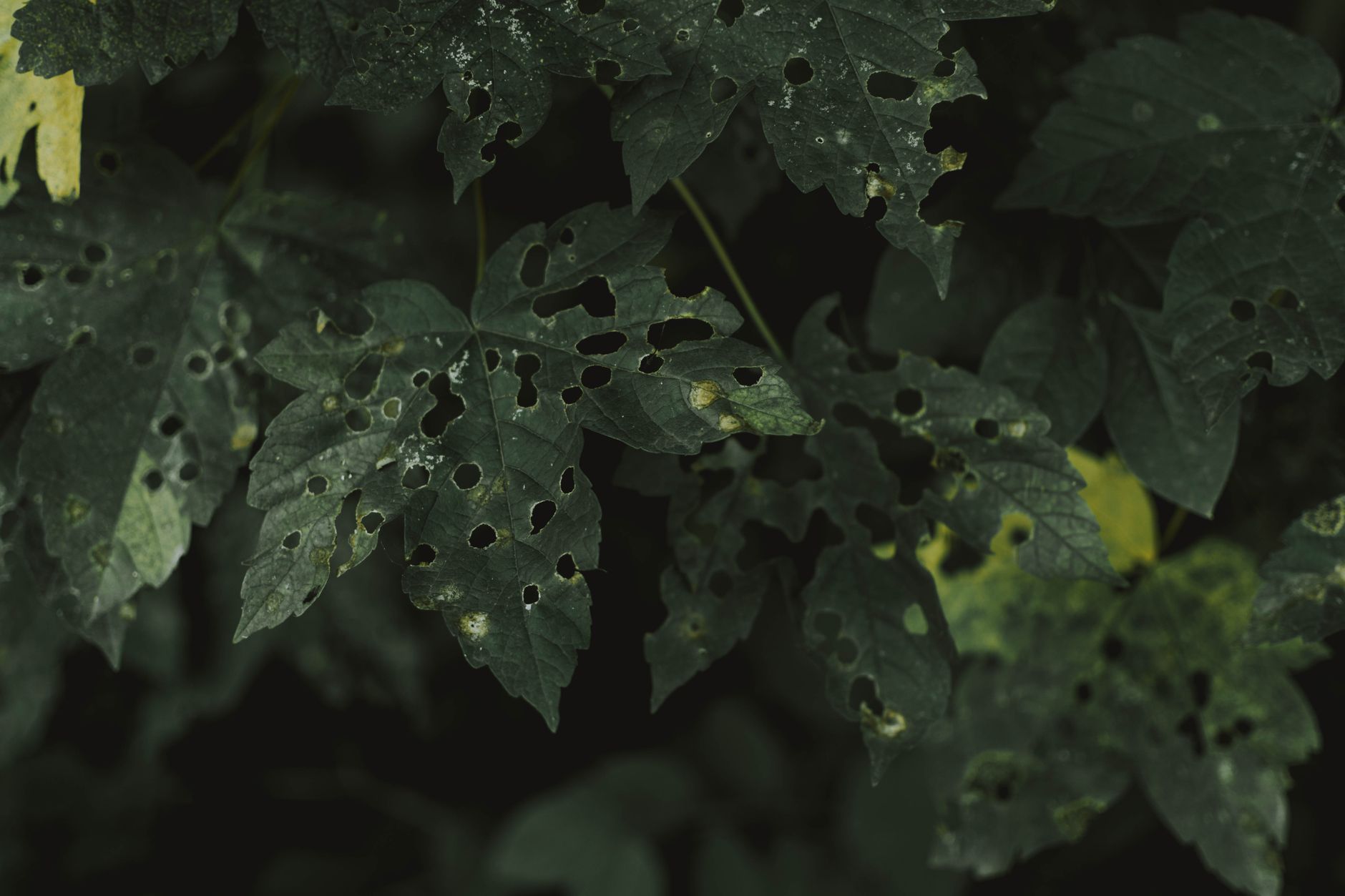
Sunflower Farming: Managing Pests and Diseases
Sunflower farming in Kenya can be genuinely rewarding, but pests and diseases are the part of the season that can quietly cost you a significant portion of your harvest if you are not watching closely. The good news is that most of the problems you will face in the field are manageable once you know what to look for and when to act. This guide walks through the main threats, practical prevention habits, and control methods that work in Kenyan growing conditions.
Common Sunflower Pests in Kenya
Sunflower Head Moths and Larvae
The sunflower head moth is one of the most damaging pests you are likely to encounter once your crop reaches the flowering and seed-fill stages. The adult moth lays eggs on the developing flower head, and the larvae bore directly into the seeds as they mature. Early signs include small holes in the florets, frass deposits that look like fine sawdust, and seeds that appear shrivelled or hollowed out when you open them. Checking the centre of each head regularly from the time flowers fully open gives you the best chance of catching an infestation before it spreads across the block. A single moth can lay dozens of eggs, so early scouting genuinely changes how much of your yield you protect.
Stem Weevils
Stem weevils attack sunflower plants from the seedling stage onward, and their damage can be deceiving because it happens below the surface. Adult weevils chew into the base of the stem while larvae tunnel through the pith, weakening the plant's structural support and disrupting the movement of water and nutrients. Infected plants often show stunted growth, wilting on one side, and sometimes snap at the base under the weight of a heavy head. Yield losses from stem weevil damage typically range from 20 to 40 percent in heavily affected plots, which is a serious figure for any commercial grower. Inspecting the lower stem of any plant that looks off during your weekly field walk is a habit worth building early in the season.
Grasshoppers and Locusts
Grasshoppers are a background pressure in most Kenyan sunflower regions throughout the growing season, but their numbers can spike sharply during dry spells when natural vegetation becomes scarce. Locusts present a different kind of risk, arriving in swarms that can strip young plants down to bare stalks within hours, particularly during the outbreak periods that have affected parts of the Rift Valley, western Kenya, and the eastern counties in recent years. The seedling stage and early vegetative growth are the most vulnerable windows because the plant has not yet built enough leaf area to tolerate significant defoliation. Monitoring regional pest alerts from agricultural extension services helps you anticipate when swarm risk is elevated in your county. Acting at the first sign of population build-up, rather than waiting for visible damage, is consistently the more effective approach.
Spider Mites
Spider mites become a serious problem during dry seasons, which makes them particularly relevant for farmers in counties that experience a pronounced dry period between rains. They feed on the underside of leaves by piercing individual cells and extracting sap, causing the upper leaf surface to develop a characteristic bronze or silvery speckled appearance. Severe infestations can lead to early leaf drop, which reduces the plant's ability to fill seeds properly in the final weeks before harvest. Because mites are tiny and often hidden on the underside of leaves, many farmers do not notice them until damage is already widespread. Turning leaves over during your scouting walks, especially in the drier parts of your plot, is the simplest way to catch them early.
Identifying Major Sunflower Diseases
Leaf Spot and Rust
Leaf spot diseases in sunflower usually appear as small, irregular brown lesions that gradually expand and develop a pale or yellowish halo around the infected tissue. Rust is visually distinct: look for raised, powdery orange or brown pustules on both leaf surfaces, which rupture as the infection matures and release spores that spread the disease further across the canopy. Both diseases tend to progress from the lower leaves upward, so checking the oldest leaves first during your inspection gives you an early warning before the infection reaches the upper canopy where it affects photosynthesis most. High humidity and nights with heavy dew create the conditions these pathogens prefer. Catching either disease in its early stages allows you to apply a fungicide treatment before significant leaf area is lost.
Downy Mildew
Downy mildew is caused by a water-mould pathogen rather than a true fungus, and it thrives whenever prolonged wet weather keeps soil and leaf surfaces damp for extended periods. Infected seedlings often show yellowing of the upper leaf surface paired with a greyish-white, downy growth on the underside, and severely affected plants may be stunted or twisted as they grow. Because the pathogen can persist in soil and on infected plant debris from one season to the next, fields with a history of the disease carry a higher risk. Early identification matters because downy mildew can spread rapidly through a crop when conditions remain wet. Selecting certified seed varieties with tolerance to downy mildew is one of the most practical first lines of defence in high-risk areas.
Verticillium Wilt
Verticillium wilt is a soilborne fungal disease that infects sunflower plants through the root system and colonises the vascular tissue responsible for moving water up the stem. The first visible symptom is typically an irregular yellowing or browning of leaves that begins on one side of the plant before spreading across it, creating an asymmetric wilting pattern that is distinct from simple drought stress. If you cut through an infected stem near the base, you will often see brown discolouration in the inner tissue rather than the healthy white or cream colour you would expect. The pathogen can survive in the soil for several years, which means a plot with a history of verticillium wilt will remain a risk for future sunflower crops. Rotation planning is essential for managing this disease over the long term.
Head Rot and Seed Quality
Head rot is most commonly caused by the fungal pathogen Sclerotinia sclerotiorum, and it typically appears as a white, cottony growth on the back of the flower head that progresses to a soft, brown decay of the entire head. Infected seeds from rotted heads have lower oil content, reduced germination viability, and in some cases carry mycotoxin contamination that affects their value for processing. The disease is most severe when flowering coincides with wet weather and high humidity, because the flower petals serve as the primary infection pathway for the fungal spores. Choosing varieties with upright head angle rather than horizontal head position reduces the time that water sits on the head surface and lowers infection risk. Timely harvest before extended rains arrive at the end of the season is another practical way to protect seed quality.
Prevention Strategies That Work
Certified Seed Varieties
Starting each season with certified seed varieties that carry documented resistance or tolerance to the diseases most common in your region is the single most cost-effective preventive decision you can make. Varieties bred specifically for Kenyan conditions have been evaluated against the pest and disease pressures present in different agroecological zones, which means they are more likely to perform consistently in your county's climate. Using uncertified or saved seed from a previous season carries real risks because quality and disease resistance cannot be guaranteed. Certified seed also gives you a traceable starting point if you need to make a claim under a contract farming agreement. Selecting the right variety for your specific location and season is worth the conversation with an agronomist before you plant.
Crop Rotation
Rotating sunflowers with unrelated crops such as maize, sorghum, or legumes breaks the life cycles of soilborne pathogens and many pest species that are specific to sunflower. A minimum rotation of two seasons away from sunflower on the same plot is a widely recommended standard, and three or more seasons is better for managing persistent pathogens like Verticillium. Legume rotations have the added benefit of improving soil nitrogen levels, which supports stronger plant growth and better natural resistance in the following sunflower crop. Farmers who grow sunflower continuously on the same piece of land typically see disease pressure increase progressively season by season. Planning your rotation before each planting cycle is a simple discipline that pays off in lower input costs and more consistent yields.
Spacing and Drainage
Overcrowding is one of the most common and easily avoided contributors to fungal disease in sunflower fields. When plants are spaced too closely, air circulation between them is reduced, humidity remains high around the canopy after rain or irrigation, and leaf surfaces stay wet for longer, all of which favour fungal infection. The recommended spacing for most sunflower varieties in Kenya is 75 centimetres between rows and 30 centimetres between plants, though your specific variety's recommendations should guide you. Drainage is equally important: waterlogged soils promote root diseases and stress plants in ways that make them more susceptible to above-ground pests and diseases. Simple interventions like opening drainage channels along field borders before the rains arrive can make a meaningful difference in overall crop health.
Field Sanitation
After harvest, the crop residue left in the field is not just waste. It is a reservoir for the pests and pathogens that will attack your next crop if given the opportunity. Removing or incorporating sunflower stalks, leaves, and diseased heads promptly after harvest reduces the inoculum load in the field significantly. Infected plant material should never be composted in ways that allow pathogens to survive and return to the soil; burning or deep burial is more appropriate for heavily diseased material. Clearing volunteer sunflower plants that emerge between seasons is also worth the effort because they can host both pests and diseases in the absence of a full crop. Good field hygiene is one of the lowest-cost interventions available and consistently one of the most overlooked.
Organic and Chemical Control Methods
Natural Pest Control Options
Neem oil is the most widely available organic pest control option for sunflower farmers in Kenya and is effective against a range of soft-bodied pests including aphids, spider mites, and some caterpillar species when applied at the right concentration. It works partly as a repellent, partly by disrupting the moulting cycle of juvenile insects, and partly by reducing the feeding intensity of adults. Botanical insecticides made from pyrethrum, which is produced commercially in Kenya's highlands, offer a broader knockdown effect and are approved for use in organic and conventional production systems. These products are most effective when applied early in an infestation rather than once populations are already large. Rotating between different organic options also reduces the chance of pest populations developing behavioural resistance.
Targeted Fungicide Applications
Chemical fungicides are most justified when you have confirmed disease presence and field conditions suggest that the infection will spread without intervention. Fungicides work preventively or curatively depending on their mode of action, and applying them too late in the disease cycle typically gives disappointing results even when the product is appropriate. For leaf spot, rust, and downy mildew, protectant fungicides applied at the first visible signs of infection tend to give the best return. Always follow label rates and pre-harvest intervals, since residues in seed can affect processing quality and marketability. Consulting with an agronomist before purchasing a fungicide ensures you are selecting a product registered for use on sunflower in Kenya and appropriate for the specific pathogen you are dealing with.
Integrated Pest Management
Integrated pest management, or IPM, is the approach of combining biological, cultural, mechanical, and chemical controls in a deliberate sequence rather than defaulting immediately to pesticide application. The principle is to keep pest and disease populations below the level where they cause meaningful economic damage while minimising disruption to beneficial insects and the broader farm environment. In practice, this means starting with resistant varieties and good agronomy, monitoring fields closely so you can respond early, using organic controls as a first response when populations are manageable, and reserving chemical options for situations where other methods are insufficient. Farmers who follow an IPM approach typically spend less on crop protection inputs over time while maintaining more consistent yields. It is an approach built on observation and decision-making rather than a fixed spray schedule.
Timing Treatments for Pollinators
Sunflowers depend heavily on pollinators, particularly bees, for seed set, and poorly timed pesticide applications during flowering can kill the visiting insects that are directly responsible for your yield. Any insecticide application should be scheduled either in the early morning before pollinators become active or in the late evening after they have returned to their hives or nesting sites. Flowering typically spans two to three weeks for a commercial sunflower crop, so your spray decisions during this window need extra care. Products with shorter residual activity are preferable during flowering if treatment cannot be avoided. Protecting pollinator activity during this stage is not just an environmental concern; it is a practical yield management decision.
Monitoring Your Fields Throughout the Season
Weekly Scouting Routines
Consistent, structured scouting is the foundation of effective pest and disease management, and it starts from the day your seedlings emerge. At the seedling stage, focus on stem base damage, cut seedlings, and any unusual leaf discolouration. During vegetative growth, inspect both the upper and lower leaf surfaces for mites, aphids, and early disease lesions. At the flowering and seed-fill stages, shift your attention to the flower head, looking for moth entry holes, fungal growth, and any signs of head rot. Walk a representative W-shaped or zigzag pattern through each plot so that you are sampling plants from different parts of the field rather than just the edges. Recording what you find each week, even briefly, creates a valuable reference for comparing pressure between seasons.
Economic Threshold Levels
Not every pest sighting justifies a treatment response, and spraying below the economic threshold is a cost that does not translate into yield protection. The economic threshold is the pest population level at which the damage caused by the pest exceeds the cost of the control measure, and it varies by pest species, crop growth stage, and market value of the produce. For example, a few leaf-feeding grasshoppers on established plants will cause minimal yield impact, while the same number on seedlings could justify action. Extension service guidelines and agronomists familiar with your region can give you specific threshold figures for the pests most common in your county. Knowing these numbers helps you make confident, evidence-based decisions rather than reactive ones.
Weather Patterns and Pest Pressure
Weather is one of the most reliable predictors of pest and disease pressure in any given season, and tracking it systematically improves your decision-making throughout the crop cycle. Prolonged wet periods following planting increase the risk of downy mildew, leaf spot, and root rot, while extended dry spells in mid-season create ideal conditions for spider mite outbreaks and make plants more susceptible to feeding damage from grasshoppers. In the counties where Sunflower Africa operates, understanding the typical onset and intensity of the short rains and long rains in your specific zone is important context for timing your preventive measures. Paying attention to county-level weather forecasts, especially during the planting window and at flowering, gives you a few days of lead time to adjust your management plan. Building this awareness into your seasonal routine reduces the number of surprises you face in the field.
Record-Keeping
Keeping written records of what you observed, what you treated, when you treated, and what results you saw is one of the most practical improvements most farmers can make to their management approach. A simple notebook with one page per field visit is enough to capture the information that will be genuinely useful when you are planning the following season's inputs and variety selection. Over two or three seasons, your own records will reveal patterns, such as which part of your farm consistently develops rust first, or which months historically bring the highest mite pressure, that allow you to plan ahead with real confidence. Records also support contract farming documentation and can be helpful evidence if you need to discuss crop challenges with a buying partner. The time invested in keeping them is small relative to the value they provide over multiple seasons.
Sunflower Africa's Support for Pest Management
Certified Seeds for Kenyan Conditions
The certified sunflower seed varieties available through Sunflower Africa have been selected with Kenyan growing conditions in mind, including the disease and pest pressures that are most prevalent across the counties where our farmers operate. Starting with seed that carries documented disease tolerance reduces your baseline vulnerability before any other management practice is applied. Access to certified seed through a trusted supply channel also eliminates the quality uncertainty that comes with purchasing from informal traders. Our team can help you select the variety most appropriate for your specific agroecological zone and target planting window. This is one of the most direct ways we support better outcomes for the farmers we work with season after season.
Capacity Building on Pest Identification
Sunflower Africa runs capacity building sessions that give farmers practical skills in pest and disease identification, scouting techniques, and early intervention decision-making. These sessions are designed to be hands-on and specific to the crop growth stages most relevant at the time they are delivered. Farmers who can accurately identify a problem in the field and know the appropriate response make better input purchasing decisions and lose fewer plants to preventable damage. We also use these sessions to share updates on emerging pest risks that may be increasing in specific counties based on what our field teams are observing. Practical knowledge shared directly with farmers is one of the core commitments behind everything we do as a cooperative.
Direct Support Across Multiple Counties
With offices in Narok, Bungoma, Busia, Tharaka Nithi, and Embu, Sunflower Africa's field presence means that support is not a phone call to a distant office but a relationship with a team that understands the specific conditions in your county. Our staff can visit farms, assess crop health challenges, and help you access the right resources without the delays that come with working through intermediaries. This multi-county network also means that when a new pest or disease challenge emerges in one region, that information can be shared quickly across our farmer community. You are not managing your crop alone. The relationships we have built with farmers across these counties are the foundation of how we operate.
Market Guarantee as a Risk Reducer
One of the genuine advantages of working with Sunflower Africa under a contract farming agreement is that a guaranteed market at fair pricing reduces the financial pressure that often leads farmers to cut corners on crop protection. When you know your produce has a buyer regardless of minor crop challenges during the season, you can make management decisions based on what is best for your crop rather than what is cheapest in the short term. Our direct relationship with farmers also means that if you face an unexpected pest or disease problem that affects your yield, there is a conversation to be had rather than a contract to be quietly abandoned. Fair pricing, consistent market access, and no middlemen are the practical terms of the relationship we offer. Learn more about our contract farming services and how they can provide a stable foundation for your sunflower operation.
Managing pests and diseases in sunflower farming is not about reacting to every problem with a purchased input. It is about building a season-long system of observation, good agronomy, and timely decisions that keeps your crop healthy from planting through to harvest. With the right seed, consistent scouting habits, and support from a team that is present in your county, you have everything you need to produce a crop you can sell with confidence.